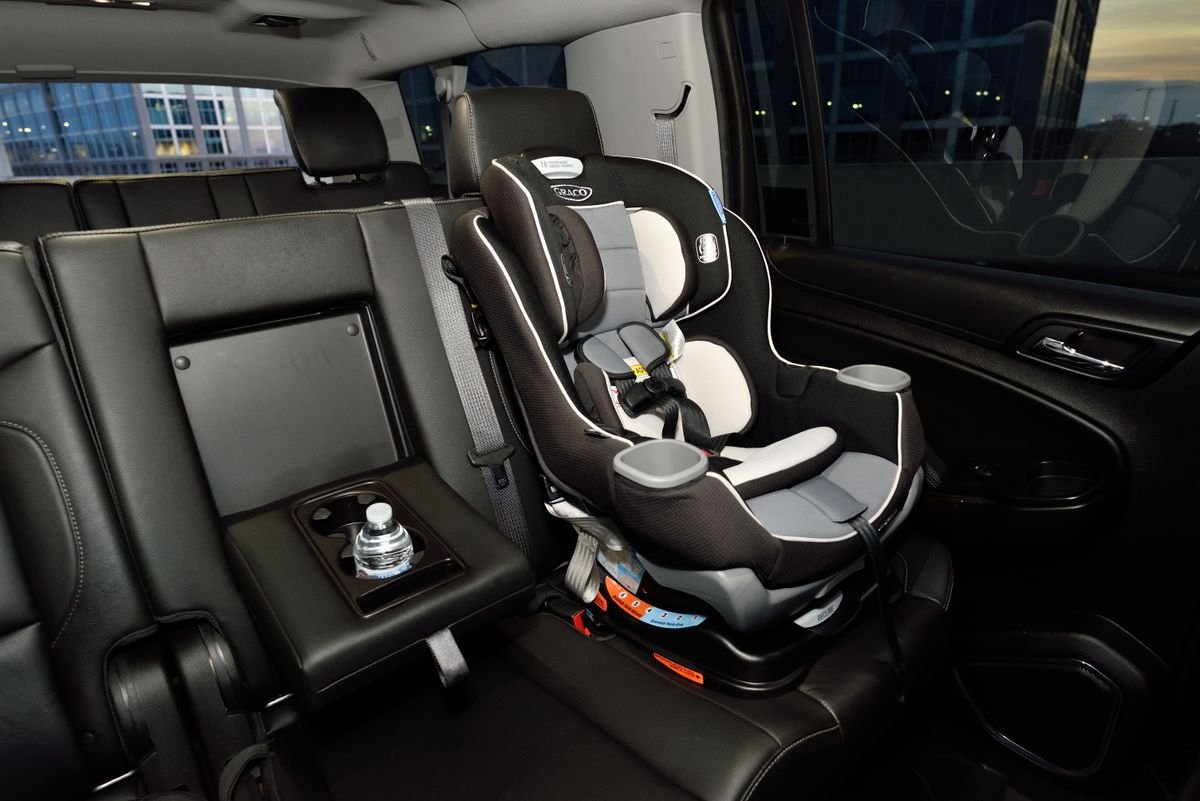
Preparing for a baby's first car trip involves more than putting a seat in the vehicle. The seat has its own instructions, the vehicle has instructions affecting installation, and Transport Canada publishes child car seat safety information. Keep those sources together so you are not trying to answer a specific installation question from a generic photograph.
Transport Canada's guidance identifies rear-facing seats as the first stage. The correct installation and use depend on the actual seat, vehicle and child. This article does not provide a substitute fitting sequence or approve an installation remotely.
Identify the equipment you actually have
Find the seat's model information and its instruction manual. Make sure the manual matches the seat rather than another model with a similar appearance. Locate the child restraint section in the vehicle manual too. A family member's experience with a different car may not answer the question in front of you.
Check the official information relevant to the seat's condition, permitted use and recalls. If an item is second-hand, an unknown history is a question that cannot be resolved by whether the cover looks clean. Use the manufacturer's and Transport Canada's guidance to decide what information is needed, rather than accepting an unsupported assurance from a seller.
Resolve uncertainty before the journey
Set aside time to read the instructions and identify anything that is unclear. Ask the manufacturer or an appropriate local child passenger safety resource for help with a specific question. If arranging an in-person check, confirm the person's role, the service offered and what you need to bring.
Explain which vehicle will be used. A seat moved between cars creates more than one arrangement to understand. If another adult will drive, include them in learning the actual instructions rather than relying on a hurried verbal handover at departure.
Keep the travel plan separate from the installation question
Decide who is driving, where the car will be and how bags will be handled. Those arrangements can be prepared without inventing a medical departure time. Follow the care team's instructions about leaving the facility and ask them about any individual travel concern.
For future trips, keep the manuals or official digital versions accessible. Avoid treating the first successful journey as proof that every later adjustment is correct. Revisit the applicable instructions when the equipment, vehicle or child's needs change, and use current official information instead of a saved social media demonstration.
When the seat will be transferred
If two households or vehicles are involved, decide who is responsible for each installation and where the matching instructions will be kept. A hurried transfer in a parking area is a poor moment to discover that one adult has never read the manual. Plan the handover while there is time to resolve questions with an appropriate source.
A borrowed vehicle can change the arrangement even if the seat itself stays the same. Ask for access to that vehicle's manual before the journey and do not assume the familiar method from another car applies. Keep luggage and household packing decisions separate from the restraint instructions: finding a convenient place for bags does not determine where a child seat may be installed. Where the documents leave uncertainty, get a specific answer rather than improvising a workaround.