Build a birth-preference note for a care-team conversation
Turn your priorities, communication needs and open questions into a short note you can discuss with your maternity care team.
Organize your household, questions and support arrangements before the baby arrives.
32 articles
Turn your priorities, communication needs and open questions into a short note you can discuss with your maternity care team.
Pack by the moment an item will be needed, and make the bag understandable to the companion who may be opening it.
Work through the driver, destination, arrival entrance and backup contact before a journey becomes urgent.
Make a compact contact sheet that distinguishes clinical calls, household tasks and family news.
Give an older child's caregiver a workable routine, a backup arrangement and a clear way to contact you.
Arrange pet care that can begin at short notice and continue if your time away changes.
Leave a short household handover that lets another person complete essential jobs without becoming your message coordinator.
Choose a small update system so relatives know what to expect without needing continuous news from the birth room.
Separate an offer of help from a social visit, and explain the arrangements your household expects to use.
Bring a short, prioritized question note and leave with a clear understanding of the next step.
Keep the documents you actually need close at hand while leaving private records organized at home.
Help a birth companion pack for their own needs so they can stay organized without relying on the birthing person's bag.
Explain the kinds of words, touch and surroundings you find helpful, while leaving room to change your mind.
Keep essential information portable and decide who handles household changes if the care team recommends another location.
Arrange household coverage around the recovery instructions your care team expects you to receive.
Prepare meals in portions and formats your household can use even when timing, appetite and help change.
Agree who announces the birth, what can be shared and how relatives should handle photographs they receive.
Create space by reducing incoming items and giving everyday supplies clear, reachable homes.
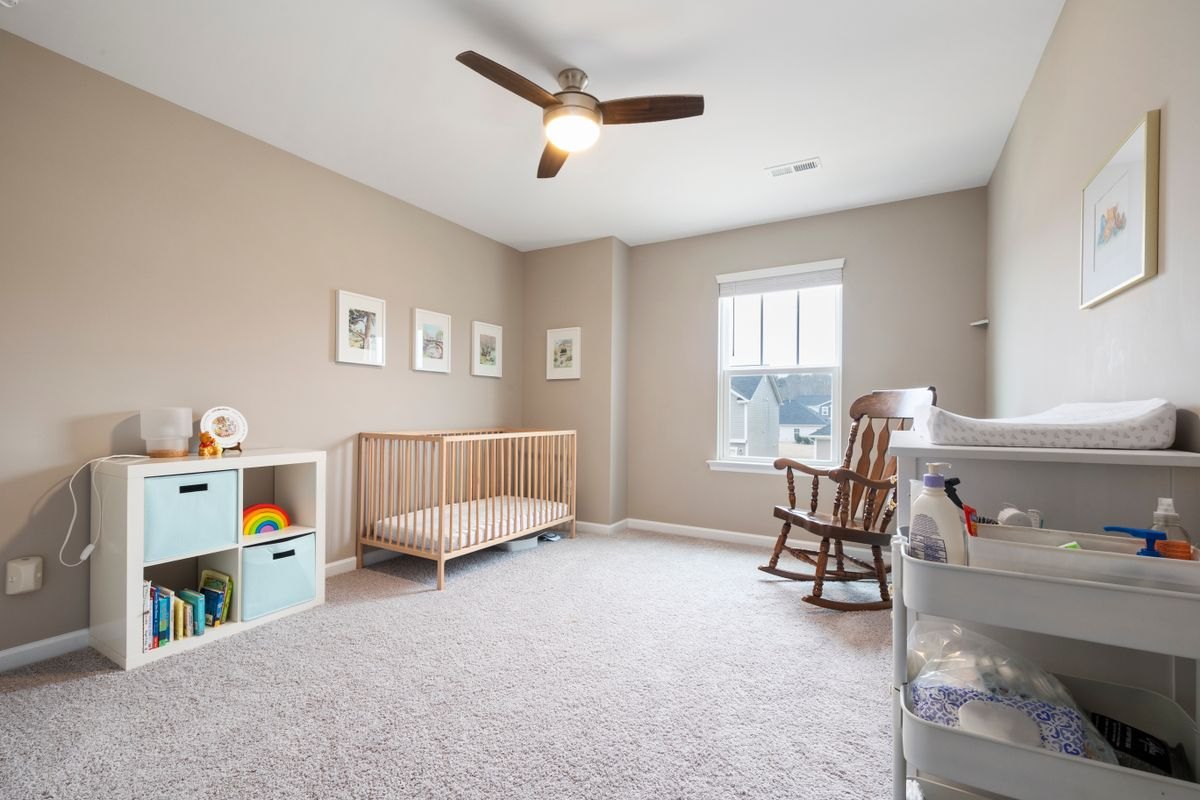
Arrange a shared bedroom around a separate baby sleep space, adult access and a small amount of daily storage.
Compare prenatal education by its topics, teaching format and fit with your questions, rather than by the name of the course alone.
Plan the ordinary journey, communication gaps and household handover when your birth facility is some distance from home.
Separate winter-road preparation from medical decisions about when and where to seek maternity care.
Assess borrowed baby items by their condition, instructions and usefulness in your home, not just by the money saved.
Use a shared calendar to show confirmed commitments, who owns them and which arrangements are still tentative.
Agree how a companion can help you ask for clarification or a moment to process information while keeping your voice central.
Organize a small home around the activities you will actually do during the first days with a baby.
Give small essential items a consistent place so they survive a room change, a tired departure and the journey home.
Prepare the entrance, first meal and essential handovers so coming home does not begin with a list of unfinished arrangements.
Build local support that does not depend on a partner being able to leave a distant job immediately.
Agree on a few responsibilities for the first night home, with room to follow your baby's needs and your care instructions.
Use discharge conversations to confirm what happens at home, who to contact and which follow-up arrangements are already made.
Keep the purpose behind a preference visible so the conversation can continue when the original arrangement is no longer possible.
No articles match. Try a shorter phrase or clear your search.