Start with what your household already eats
The weeks around birth are a poor time to build an elaborate food system around unfamiliar recipes. Make a short list of meals people in your home already accept, including a few that need little preparation. Consider who will be eating, any allergies or dietary needs, and whether the person available to cook knows those meals.
Separate a meal into its actual work. Buying ingredients, preparing food, serving it and clearing up are different tasks. A friend who offers dinner can take more work off your list by bringing it ready to use with clear ingredient and storage information, rather than leaving a collection of ingredients that still needs cooking.
Use portions that leave choices open
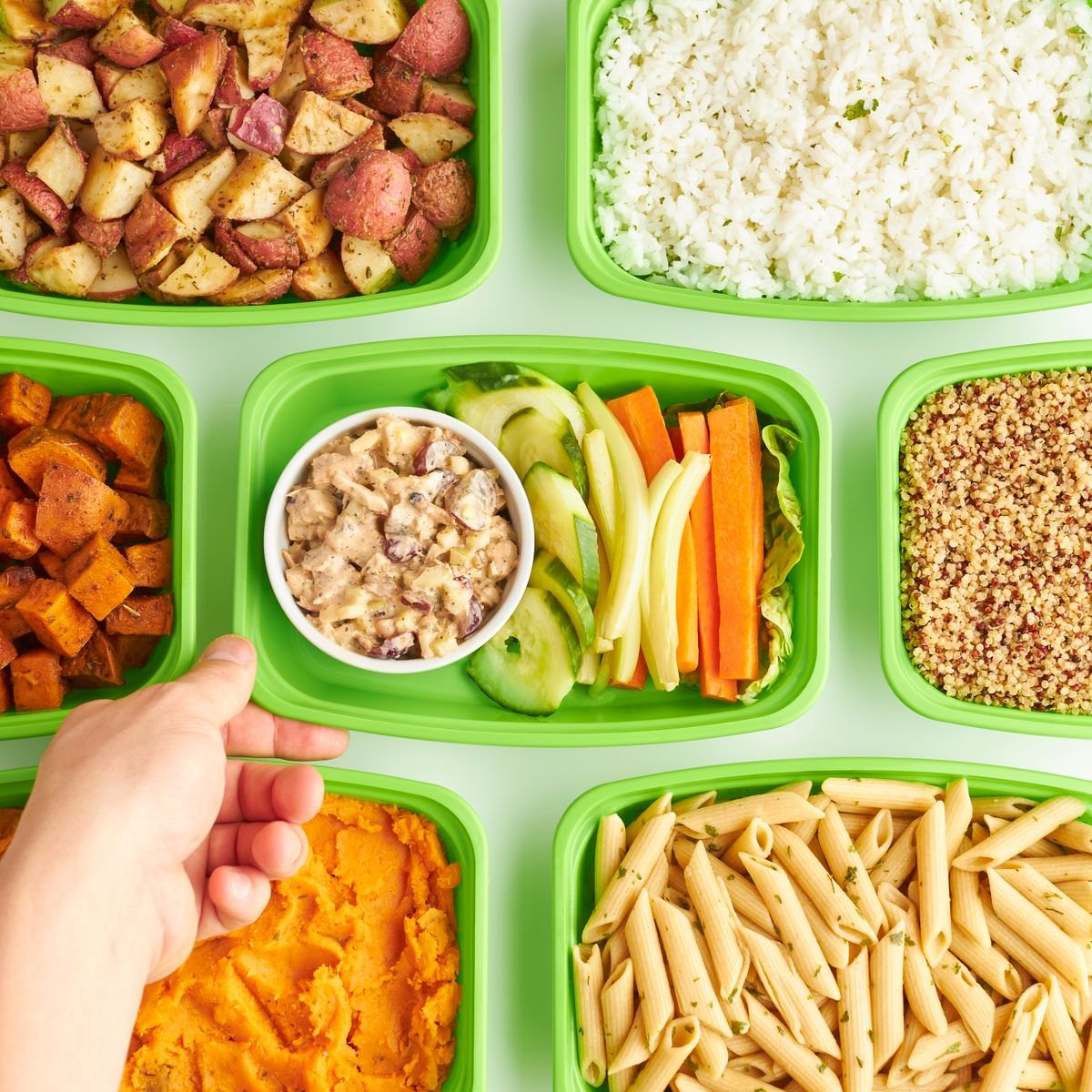
If preparing food ahead, choose container sizes that suit a small meal as well as a family dinner. Label the contents and preparation date, and follow current food-safety guidance for cooling, storage and reheating. Do not rely on a helper guessing how long something has been in the refrigerator.
Make an inventory before filling every freezer shelf. Leave room for food that may arrive from others. Keep the list where a helper can update it after taking a container, so the household does not discover that the last easy dinner was used yesterday.
Plan a few cupboard or refrigerator combinations that require little coordination: for example, the ingredients for your usual sandwich or a familiar breakfast. This is about making an adult meal available, not prescribing a postpartum diet. Specific nutrition questions belong with your care provider or a qualified dietitian.
Give outside help a format
Tell meal helpers how many people they are feeding and whether you have space for another cooked meal. Ask them to arrange delivery rather than arriving without notice. A disposable or return-free container can avoid another collection task, but use packaging suitable for the food and intended reheating method.
Keep one backup option for a day when the planned meal does not happen. It could be a simple meal from existing supplies or a delivery service you have checked for your address and budget. The backup need not be impressive; it needs to be something the household can actually use.
After the first few days, review what is being eaten and what is accumulating. Adjust the shopping list to real use. A flexible food plan succeeds by keeping people fed with manageable work, not by completing a menu written before the baby arrived.