What a doula can and cannot do
A doula belongs to your support team. Understanding the limits of that role makes the first conversation more useful.
Find a question, a household task or a conversation you want to prepare for.
148 articles
A doula belongs to your support team. Understanding the limits of that role makes the first conversation more useful.
Use a first meeting to understand how a doula communicates and what an agreement would actually cover.
Birth attendance and support at home solve different problems. Compare the work you want help with before comparing packages.
Read the agreement as a description of work, timing, payment and what happens when circumstances change.
An estimated due date is a starting point for a conversation about availability, not the whole service schedule.
A backup plan should explain who may step in, how you meet them and what changes if they attend.
You can describe the support you want and the support you do not want without giving a detailed explanation for every preference.
Agree on channels, timing and tone so that support messages do not become another source of uncertainty.
An interview can help your partner understand the support arrangement without making them the person who chooses it for you.
Ask how information, questions and support will move between the people involved in your maternity care.
Put the work, timing and payment terms beside the price so that two quotes can be compared fairly.
A planned caesarean changes some support questions. Discuss the hospital's arrangements and the help you want before and after the procedure.
A change in plans is easier to discuss when the support arrangement has room for questions, privacy and a different pace.
A virtual meeting needs a quiet space, a shared purpose and a way to keep the useful details afterwards.
Share information that helps explain your support needs, while keeping control over the detail and timing of personal disclosures.
Overnight support needs a detailed handover. Establish the work, sleeping arrangements and communication before booking a visit.
A task list helps distinguish help you would welcome from help that would create more organizing work.
Discuss the traditions and preferences that matter to your household without asking a doula to make assumptions about your culture.
Language comfort, translation of written information and clinical interpretation are related needs, but they require separate questions.
When relatives cannot be nearby, identify the local tasks that still need a person and the tasks that can be handled from elsewhere.
A solo parent's support plan can involve several people without assuming there is a partner who will fill every gap.
Agree who may take photographs, where images can go and what information stays within the support relationship.
A review describes one person's experience. Use it to identify questions rather than to predict your own birth or support relationship.
A training label is a claim you can clarify. It does not, by itself, tell you the provider's current scope or how they work.
Use the final prenatal meeting to confirm the current plan and resolve the few details that are still unclear.
Find out whether the agreement includes a follow-up conversation, a home visit or another form of contact after birth.
Describe the interaction, the effect and the change you want so that feedback can lead to a concrete adjustment.
Consider a doula alongside the support already available, the work still uncovered and the budget you want to use.
Turn your priorities, communication needs and open questions into a short note you can discuss with your maternity care team.
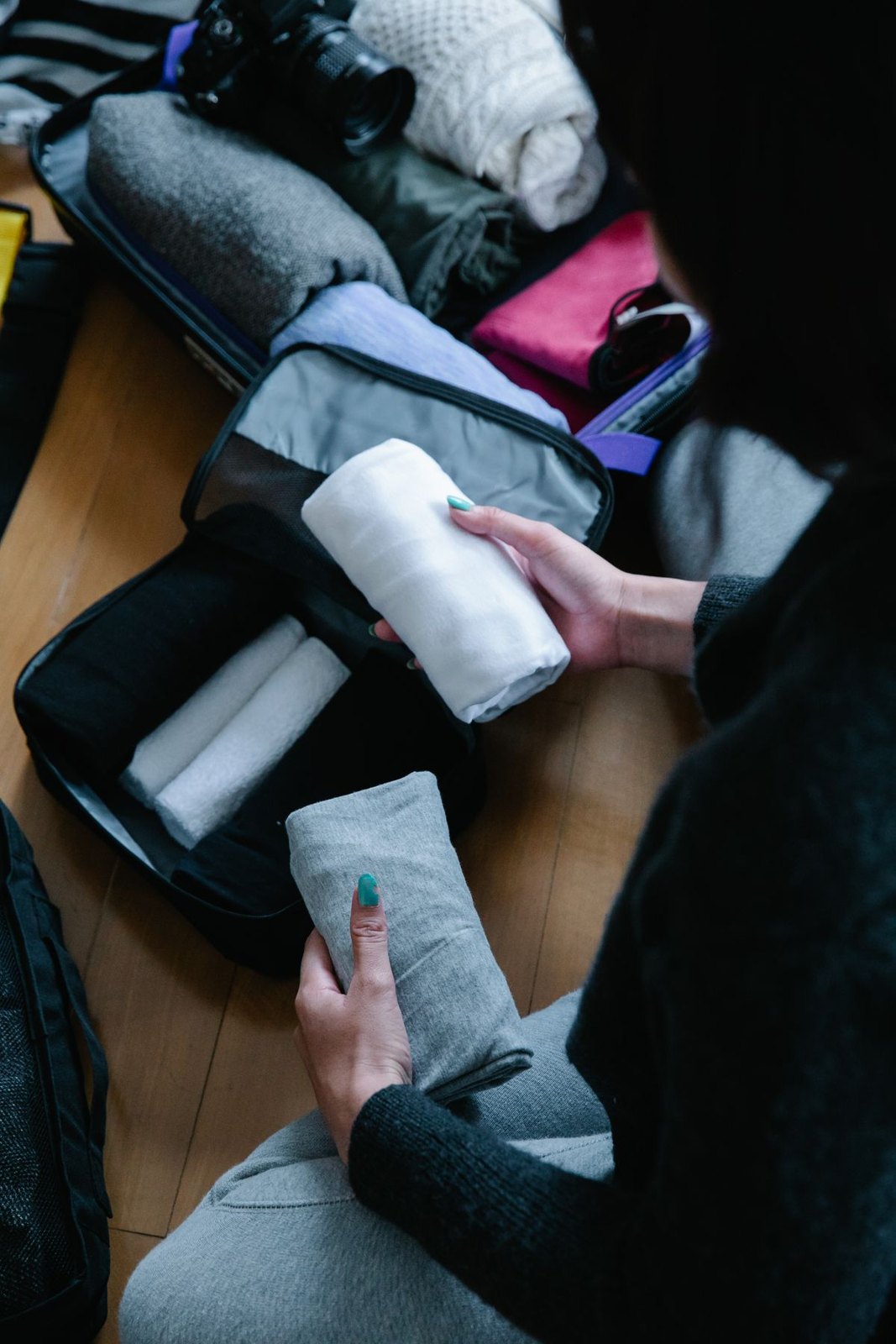
Pack by the moment an item will be needed, and make the bag understandable to the companion who may be opening it.
Work through the driver, destination, arrival entrance and backup contact before a journey becomes urgent.
Make a compact contact sheet that distinguishes clinical calls, household tasks and family news.
Give an older child's caregiver a workable routine, a backup arrangement and a clear way to contact you.
Arrange pet care that can begin at short notice and continue if your time away changes.
Leave a short household handover that lets another person complete essential jobs without becoming your message coordinator.
Choose a small update system so relatives know what to expect without needing continuous news from the birth room.
Separate an offer of help from a social visit, and explain the arrangements your household expects to use.
Bring a short, prioritized question note and leave with a clear understanding of the next step.
Keep the documents you actually need close at hand while leaving private records organized at home.
Help a birth companion pack for their own needs so they can stay organized without relying on the birthing person's bag.
Explain the kinds of words, touch and surroundings you find helpful, while leaving room to change your mind.
Keep essential information portable and decide who handles household changes if the care team recommends another location.
Arrange household coverage around the recovery instructions your care team expects you to receive.
Prepare meals in portions and formats your household can use even when timing, appetite and help change.
Agree who announces the birth, what can be shared and how relatives should handle photographs they receive.
Create space by reducing incoming items and giving everyday supplies clear, reachable homes.
Arrange a shared bedroom around a separate baby sleep space, adult access and a small amount of daily storage.
Compare prenatal education by its topics, teaching format and fit with your questions, rather than by the name of the course alone.
Plan the ordinary journey, communication gaps and household handover when your birth facility is some distance from home.
Separate winter-road preparation from medical decisions about when and where to seek maternity care.
Assess borrowed baby items by their condition, instructions and usefulness in your home, not just by the money saved.
Use a shared calendar to show confirmed commitments, who owns them and which arrangements are still tentative.
Agree how a companion can help you ask for clarification or a moment to process information while keeping your voice central.
Organize a small home around the activities you will actually do during the first days with a baby.
Give small essential items a consistent place so they survive a room change, a tired departure and the journey home.
Prepare the entrance, first meal and essential handovers so coming home does not begin with a list of unfinished arrangements.
Build local support that does not depend on a partner being able to leave a distant job immediately.
Agree on a few responsibilities for the first night home, with room to follow your baby's needs and your care instructions.
Use discharge conversations to confirm what happens at home, who to contact and which follow-up arrangements are already made.
Keep the purpose behind a preference visible so the conversation can continue when the original arrangement is no longer possible.
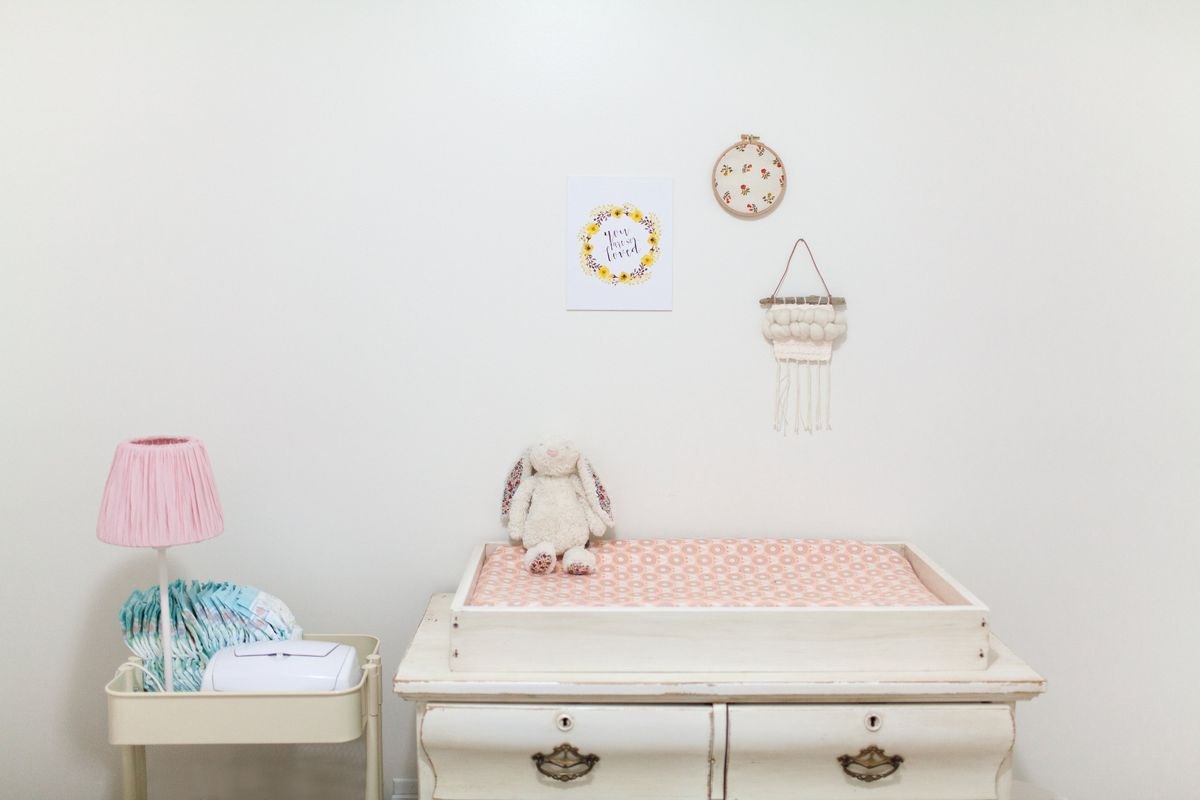
A place to sit, the supplies you use and a clear route through the room matter more than a perfectly styled nursery.
A grocery order works better when someone has planned the delivery window, substitutions and the unpacking.
Coordinate food offers around portions, preferences and delivery arrangements rather than a crowded calendar.
Allocate complete household responsibilities so one parent does not become the manager of every small job.
Make visits predictable, with a clear start, a short duration and permission to change your mind.
Separate clean equipment, used items and preparation space without filling every kitchen surface.
Look for a protected opportunity to rest, then arrange the work that would otherwise interrupt it.
Put the supplies within reach before choosing extra furniture for a second changing area.
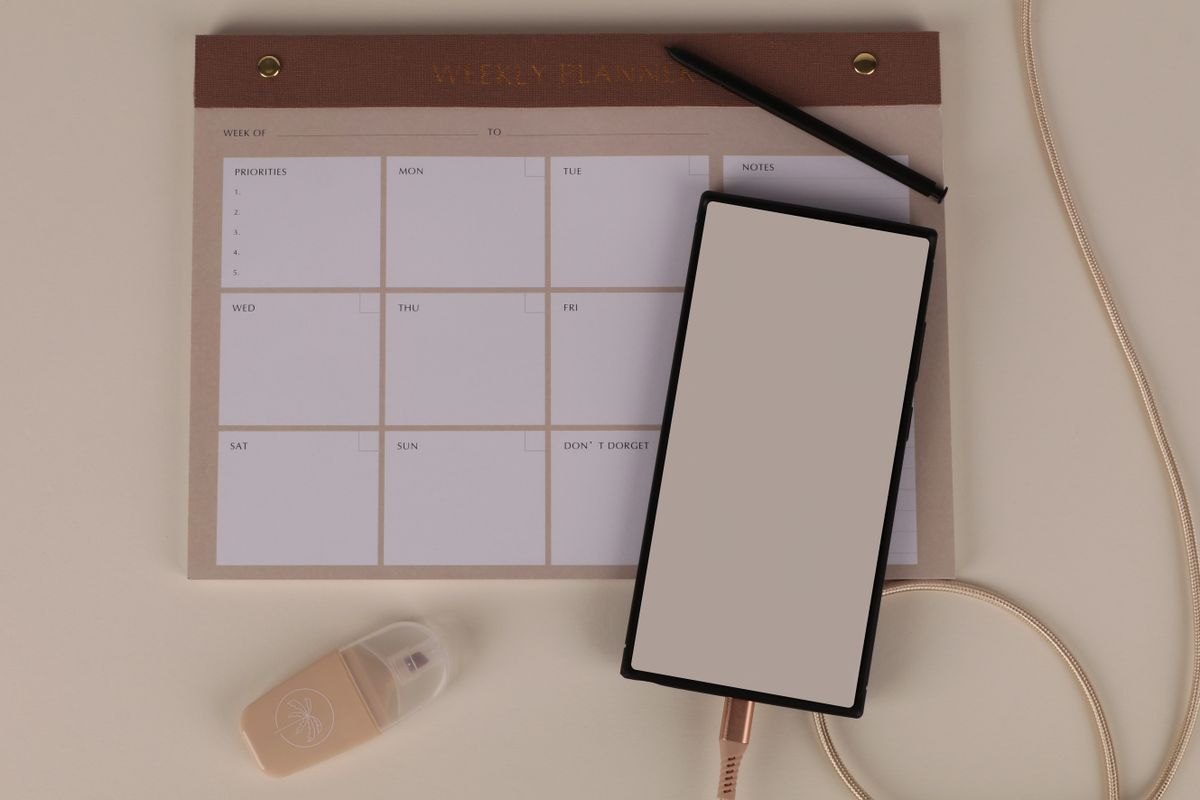
Record who each appointment is for, where it happens and which arrangements still need confirming.
Keep current care instructions accessible while protecting the private information that comes home with you.
Offer a specific, finishable task so a visit leaves the household with less to do.
Choose a small purpose and an easy route home for the first outings you want to make.
Give used clothes a destination and clean essentials a short route back into use.
Translate your own discharge advice into jobs other people can take over, rather than following someone else's recovery timetable.
Arrange the adult bedroom around a separate baby sleep space and unobstructed access.
Build a plan with named people and small commitments when there is no other adult living at home.
Divide the work around night feeds and wake-ups while respecting the baby's feeding plan and both adults' capacity.
Choose one way to notice low supplies and one person to place the next order.
Bring observations and a clear question to a feeding conversation instead of trying to diagnose the problem yourself.
Use labels and a clear workflow to support the handling guidance provided for your baby's feeding plan.
Keep the feeding parent included in the meal without making them serve, explain or wait until everyone else is finished.
Plan jobs for each baby's needs and the household around them, rather than simply doubling a single-baby shopping list.
Preserve a few familiar points in an older child's day and make them clear to anyone helping.
Separate essential work from appearances, then decide what you will deliberately leave for later.
Plan the whole journey, including carrying equipment, waiting and getting home again.
Respond to advice with a short boundary that matches the relationship and the situation.
Before a helper leaves, transfer the work they have been doing to a realistic next arrangement.
Rehearse the parts of the day that will change before the first workday arrives.
Capture the question while it is fresh, then keep the list short enough to use at the next conversation.
Use a few reliable food and break arrangements rather than trying to schedule every hour with a newborn.
Ask for a particular kind of company and give the visit an easy ending.
Pack the appointment bag around the visit's purpose, the expected time away and your own care instructions.
Review whether support still matches your household instead of ending it because a calendar milestone has passed.
Separate the help you need today from the longer support plan, and use a health professional when you are concerned about how you feel.
Share responsibility for noticing, deciding and following through, rather than dividing only the visible chores.
Support the birthing person's communication and everyday needs while leaving clinical decisions with them and their care team.
Turn a grandparent's offer into a clear arrangement that respects both the new household and the helper's limits.
Give an older child a concrete picture of who will care for them and how familiar routines can continue.
Coordinate visits around existing caregiving arrangements, the older children's needs and the new household's capacity.
Confirm travel, accommodation and the work a visiting relative will do before treating their trip as household support.
Reduce decisions, assign complete jobs and revisit the plan when tiredness makes the usual division hard to sustain.
Ask what support is wanted around feeding, and handle the surrounding work without turning help into advice.
Give the non-birthing parent room to learn, ask questions and own responsibilities without making the birthing parent their only source of information.
Build a support arrangement around the family's names, relationships, roles and preferences rather than assumptions about gender or biology.
Make photograph-sharing boundaries specific enough that relatives can follow them across messages, albums and social media.
Use family chats for a defined purpose, with fewer requests for updates and clearer limits on what needs a reply.
Give an errand helper enough information to finish the job without a chain of questions from the shop or doorstep.
Agree on the stay's purpose, everyday boundaries and end date before a relative moves in to help.
Offer help that can be completed remotely, with clear permission and minimal coordination for the new parents.
Clarify whether a visit is for company, a household task or a delivery so both sides arrive with the same expectations.
Put the cost of help beside the work it will remove and the budget your household can actually use.
Talk about what a tradition means before deciding how it fits the birth and the weeks at home.
Choose a small activity that belongs to the older child and make its limits understandable.
Keep family opinions separate from the pregnant person's preferences and the clinical conversation.
Use a brief, factual update when one helper arrives and another leaves.
Treat a request to shorten a visit as useful information, and help the ending happen without a negotiation.
Use a request that names the task, the timing and what a useful yes would mean.
Replace the hours and tasks that will disappear when a helper's work pattern changes.
Use a short conversation to exchange information and agree on one next action, without trying to settle every issue at once.
Ask grandparents what makes helping comfortable and possible, then match the role to their preferences and access needs.
Tell friends how to reach you, who is coordinating help and what kind of response to expect.
Agree on how you will assess advice before acting on it, especially when several people offer conflicting suggestions.
A specific message of thanks can acknowledge help without adding another project to the first weeks at home.
Choose a public information starting point by the kind of question you need answered, rather than opening every pregnancy search result.
Use a parenting information resource to answer one question, save the source and identify what still needs a personal conversation.
A short preparation note can help you explain a health question clearly when contacting Alberta's Health Link.
Separate Red Deer's hospital information, your individual care arrangements and temporary access changes when preparing for a visit.
Visitor arrangements can differ by facility and unit. Confirm the details that affect your chosen support people before relying on a plan.
Use a healthcare directory to locate a service, then read its access details before deciding that it fits your question.
Keep postpartum contact information attached to the question it can answer, especially when care involves more than one organization.
Find a feeding support route that matches the question, your location and the way the service accepts enquiries.
Read the details behind a prenatal class title so the content, format and booking arrangement fit what you want to learn.
Find a Family Resource Network by location and program, then ask how its current activities fit your household.
A family resource conversation can start with one difficulty or one goal; you do not need a complete account of family life.
Use a community information service to narrow a search for everyday support, and confirm the details with the organization providing it.
Check the few requirements that could prevent participation before arranging transport, childcare or time away from work.
Find a library activity that fits your baby's stage and your own day, then check the details before the first visit.
Use the car seat and vehicle instructions together, with Transport Canada's child passenger safety information as a public reference.
Find the current Canadian safe-sleep guidance and use it to examine a real sleep arrangement, rather than judging safety from a styled photograph.
Turn a broad pregnancy information page into a focused question for the professional who knows your circumstances.
Distinguish registering a birth from ordering a birth certificate, and use Alberta's official instructions for the process that applies to you.
Treat job-protected leave and income benefits as separate questions, then use the official sources that apply to each.
Check road information close to travel time and discuss appointment logistics early when winter conditions could affect the journey.
Investigate transport by address, purpose and booking rules before treating a rural ride option as part of your care plan.
Use official Indigenous health information to find a contact, while keeping your family's own preferences at the centre of the conversation.
Ask about the details of a program's space, communication and participation requirements so you can judge whether it is usable for your family.
Keep a short resource list organized around current needs, and retire entries that no longer serve a purpose.
Find a healthcare contact for emotional or mental-health concerns after birth, and make the first conversation easier to begin.
No articles match. Try a shorter phrase or clear your search.