The person who packs the hospital bag may not be the person who searches it during the stay. Organizing it around likely moments of use makes more sense than filling it according to a long shopping list. Start with the facility's current packing guidance, then add the things that make your own routine possible.
Three groups that are easy to find
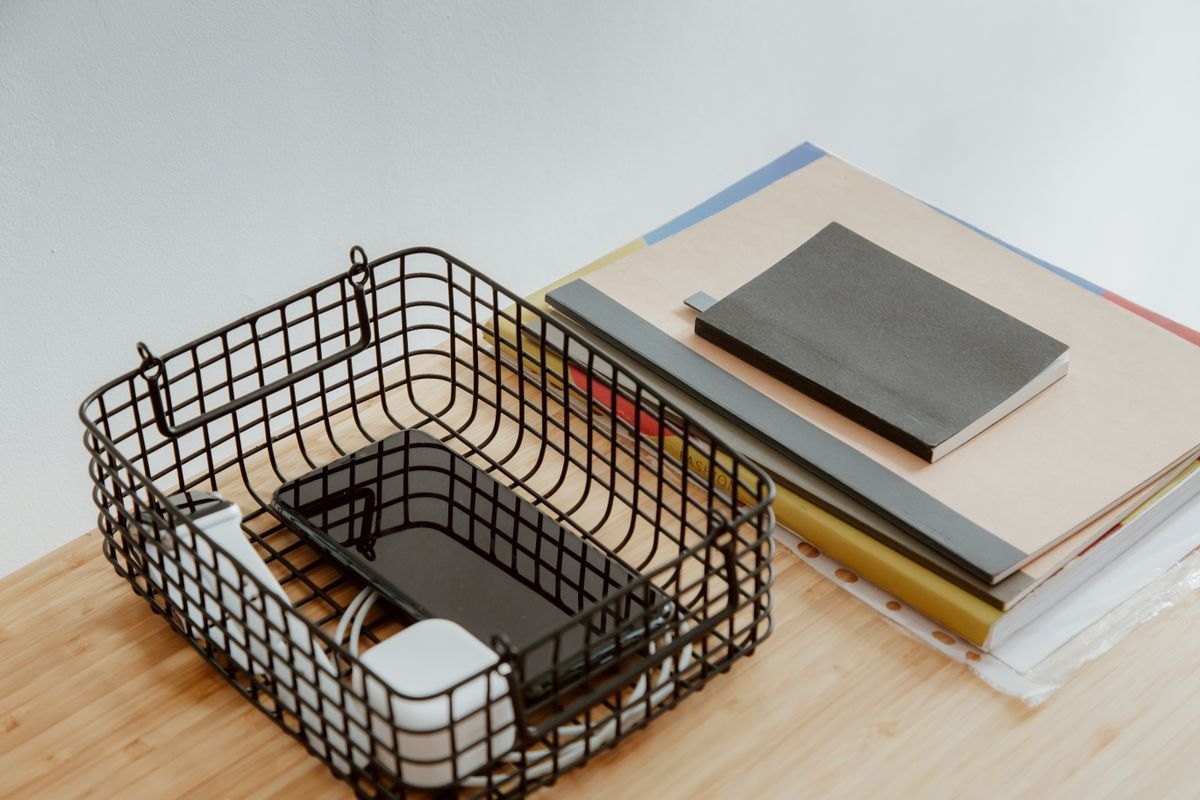
Put arrival essentials together: the documents your facility asks for, your care team's contact details, and your current preference note if you have one. Keep this pouch accessible without emptying clothing onto a chair. Ask the facility how to handle medications or equipment you use; do not assume these belong in an unattended bag.
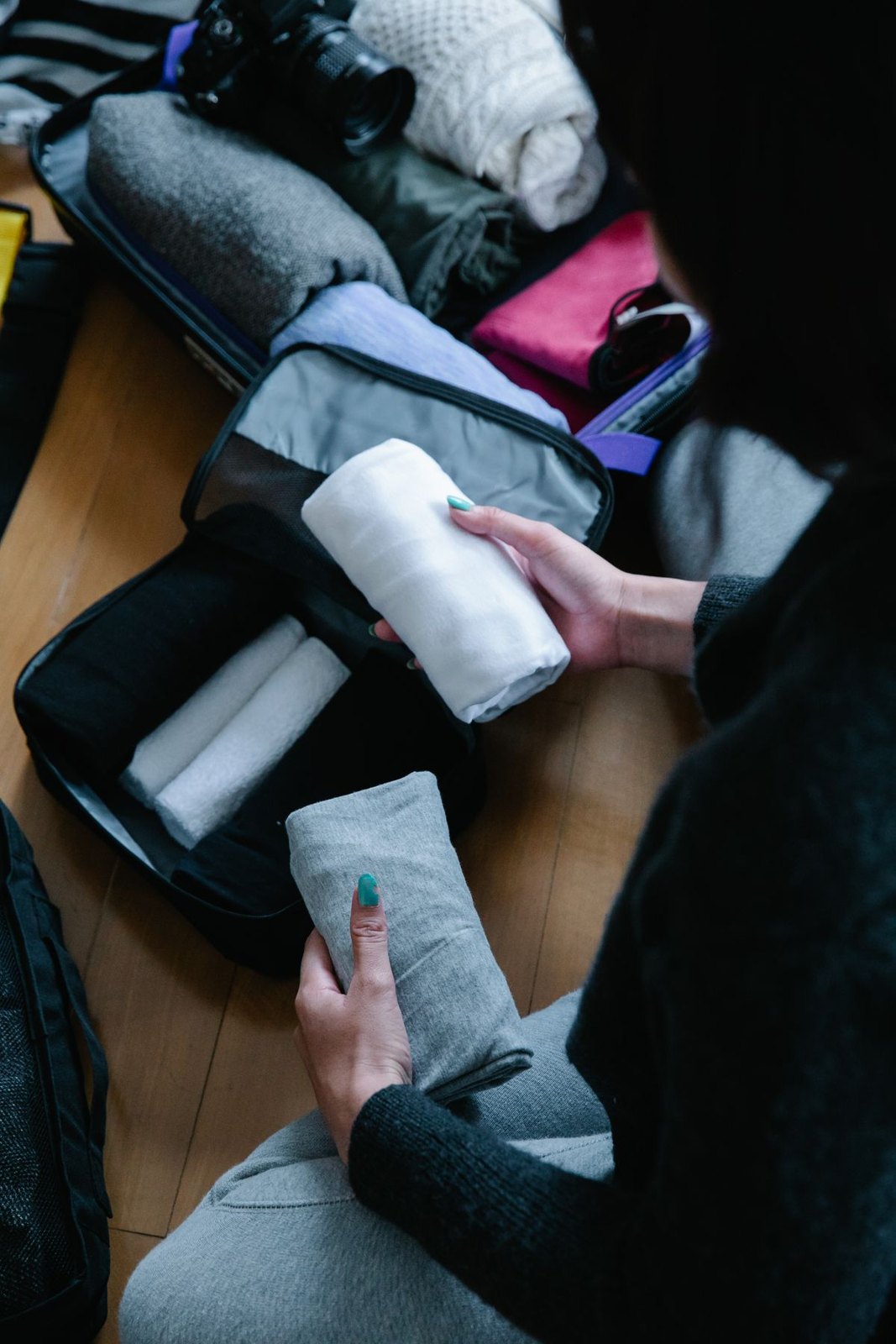
A second group can hold the everyday things you expect to reach for during the stay, such as glasses, toiletries, a charger and comfortable clothing. Choose packaging your companion can identify. A familiar pouch labelled with a word is often easier to use than several identical bags distinguished only by colour.
Keep departure clothing separate. That prevents clean items for going home from being mixed with things already worn. A small bag for used clothing helps too. Leave expensive or sentimental extras at home unless there is a clear reason to bring them.
Pack for the companion as well
Ask what the facility provides and what a support person needs to bring. Their food, clothing and phone charger should not displace your essentials. If they carry a separate bag, agree which one contains shared items so neither person searches both.
Walk through the packing once together. Ask your companion to locate your glasses, a clean top and the document pouch without instructions. This little rehearsal reveals unclear organization before it matters. It is not a test of their memory; change the arrangement if it takes too much explanation.
Some things cannot be packed until departure. Put a short last-minute note beside the bag for items you use daily. Include where they normally live, such as 'glasses beside the bed', rather than only their names. Keep the note short enough to check when tired.
Avoid packing for every imaginable event. If a longer stay would require more clothing, identify who could bring a refill and how they would find it. A labelled drawer at home can be more useful than carrying a second suitcase through the hospital.