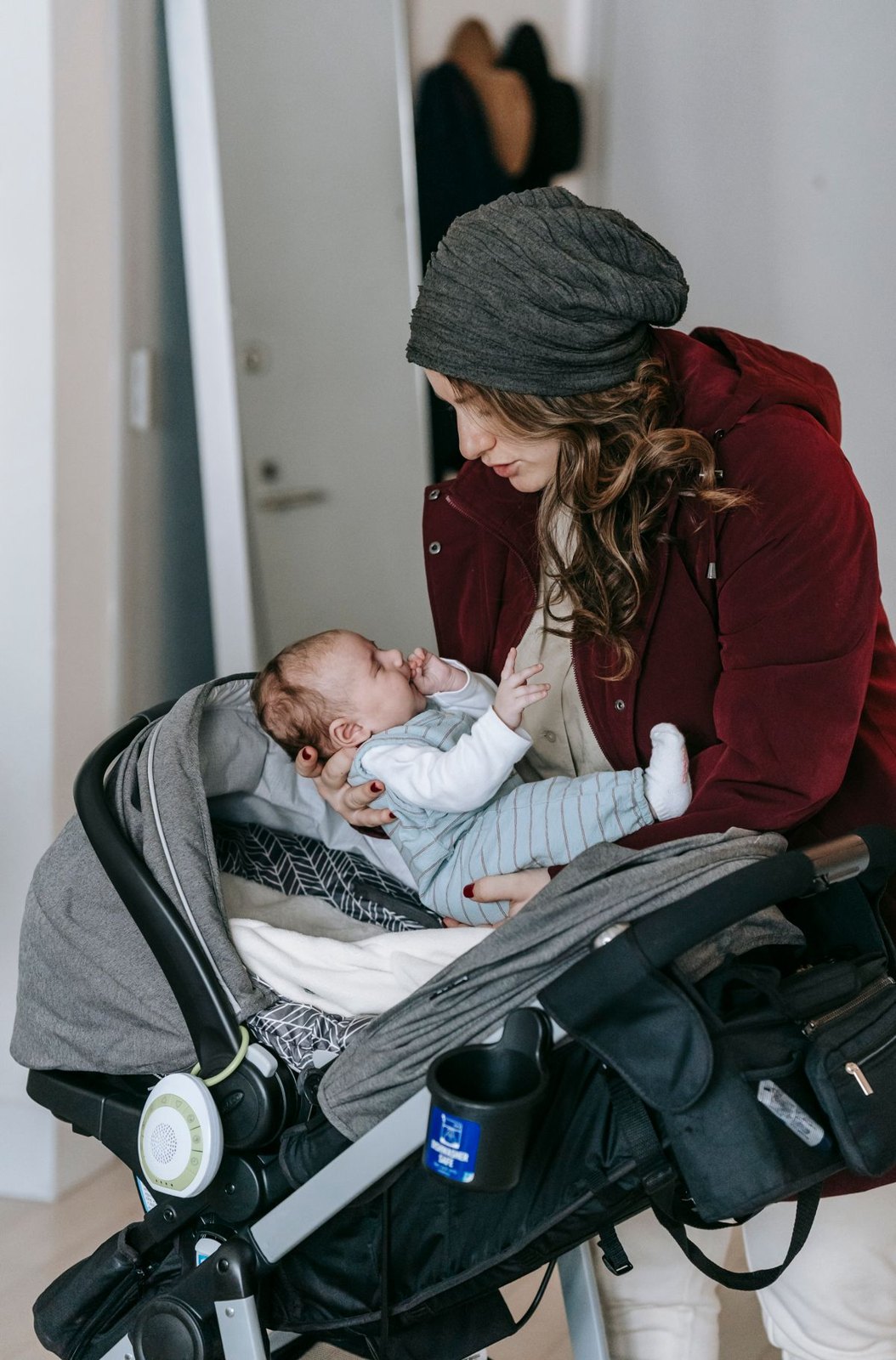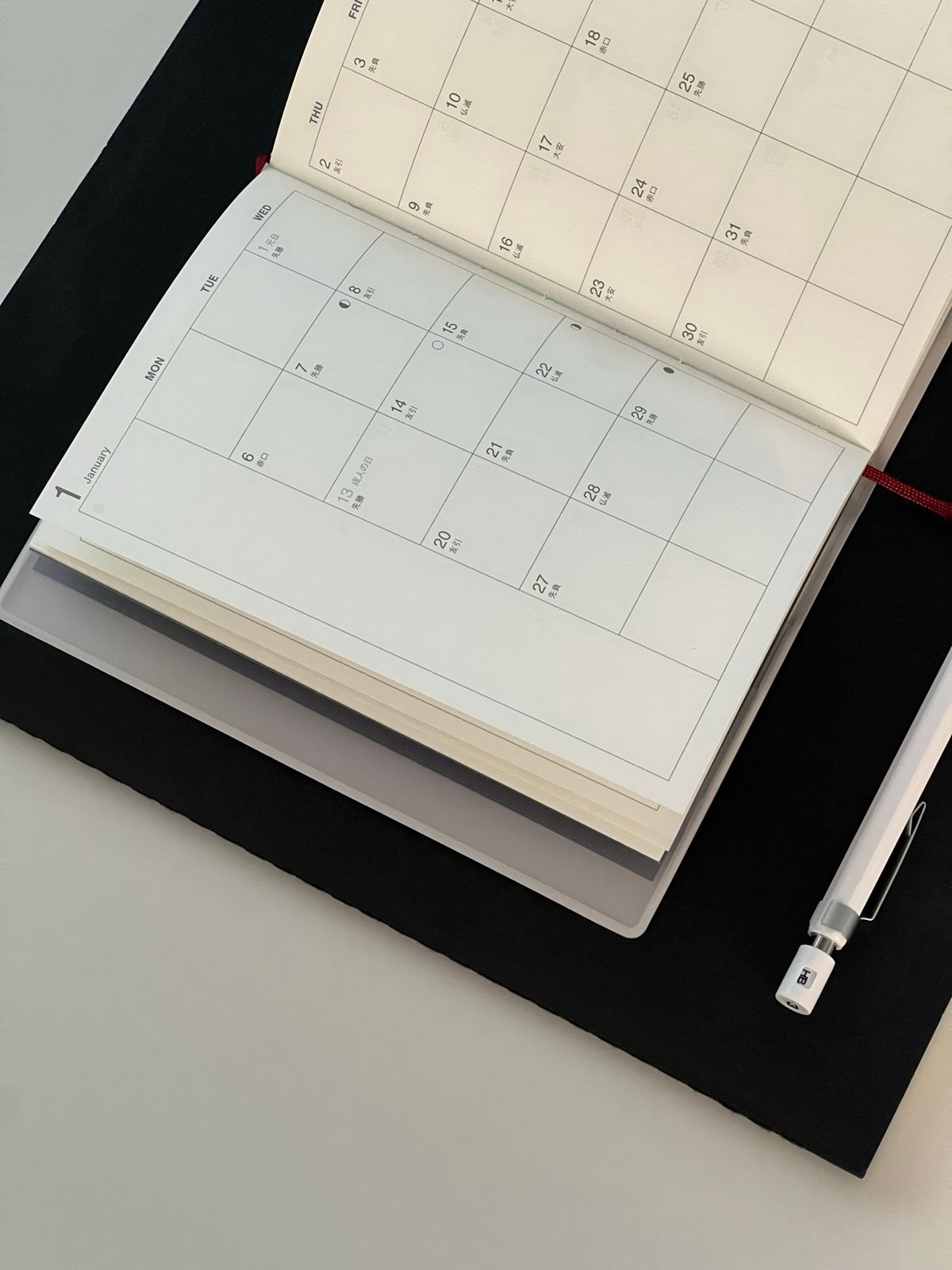
Appointments for a new baby and a recovering parent can arrive through different people, offices and messages. A date in a calendar is only part of the information. Record the patient's name, the purpose, the provider, the location or call format and the contact number for questions.
Keep appointments that are booked separate from follow-ups you have been told to arrange. "Call the clinic" is a task; it is not evidence that the clinic will call you. If discharge instructions are unclear about who is responsible, ask the care team before assuming a referral or visit is in place.
Use one view for the household logistics
Choose a calendar the relevant adults can access. Include travel time, parking or building entry information and any childcare arrangement. A ten o'clock appointment may require a helper much earlier if the parent needs a ride and the older child needs to reach school.
Do not put private clinical details in a widely shared family calendar. A general label such as "parent appointment" may be enough for someone arranging meals. Keep detailed notes with the person receiving care and share them only with permission.
For a phone or video appointment, confirm which number will be used, whether the provider calls you and what to do if the connection fails. Arrange somewhere you can speak and identify who will care for other children during the conversation. Being at home does not automatically make an appointment interruption-free.
If a parent and baby have appointments on the same day, check whether they are at the same site and whether the order makes sense for travel. Do not assume two services share records or can move their times to fit each other. Ask each office what flexibility exists, then update the calendar after the change is confirmed. Leave enough space to travel between sites without turning a delay at the first appointment into a rushed drive.
Use reminders for actions as well as dates. An entry two days beforehand could prompt you to arrange the ride, locate the requested paperwork and check childcare. Keep the reminder with the person responsible for those jobs. Sending the same alert to every family member may create duplicate work or, just as easily, an assumption that someone else will handle it.
Close the loop after the visit
Before leaving or ending the call, check the next action. Is another visit booked? Do you need a test, a form or a call from another service? Write down who is doing what and the timeframe the provider gives you. Keep their exact instructions rather than replacing them with a guessed schedule.
Mark completed appointments so reminders do not remain confusing. If a date changes, update the helper and transport arrangements at the same time. Otherwise a cancelled appointment can leave a relative travelling unnecessarily or a parent waiting for a ride that was moved.
This system is for organization, not deciding whether symptoms can wait. Follow the instructions you were given about when to seek help and contact a health professional when you are concerned. A future appointment does not mean you must hold a new concern until that date.