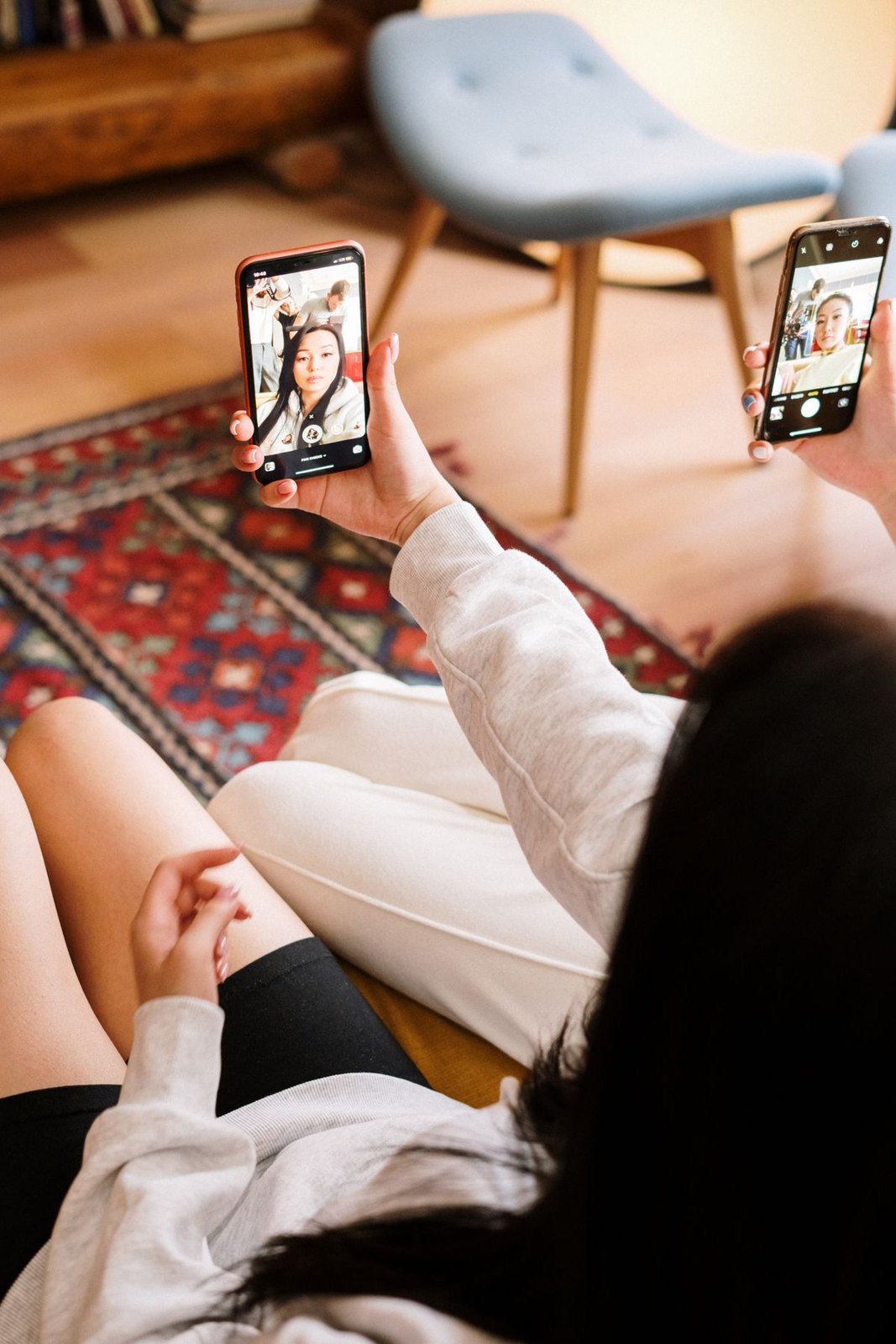
Treat taking and sharing as separate choices
You might welcome a personal photograph while declining any public use. You might want no photographs at all, or prefer to decide in the moment rather than in advance. Ask how the doula handles each choice and whether photography is part of the proposed service.
Read any image permission separately from the support agreement. Find out what use is being requested, who would have access and how you can ask a question about an image later. Do not assume permission for a private family record also means permission for a portfolio, social account or promotional story.
Include the other people in the room
Your companion, baby, relatives and care staff may also appear in a photograph. Ask the care setting about its current photography rules and respect the privacy of others. A doula's willingness to take pictures does not establish that every location or moment permits it.
Discuss family sharing too. If you want the doula to avoid sending images directly to relatives, say so. A clear plan might be that any agreed photographs go only to you through a specified channel, and you decide what to share. Keep access details and sensitive documents out of photographs that are circulated casually.
Make a change easy to communicate
Decide how you will indicate that you want the camera put away. The phrase can be ordinary and direct; it should not require a long explanation. Tell the provider if your preference has changed since an earlier meeting, and ask them to update the relevant record.
After the birth, you may feel differently about a photograph than you expected. Use the agreed contact process to ask about its storage or any requested use. This article cannot determine the legal position for a particular agreement, but it can help you identify the questions before consent is treated as a formality. The support you receive should remain understandable even when the answer to photography is no.