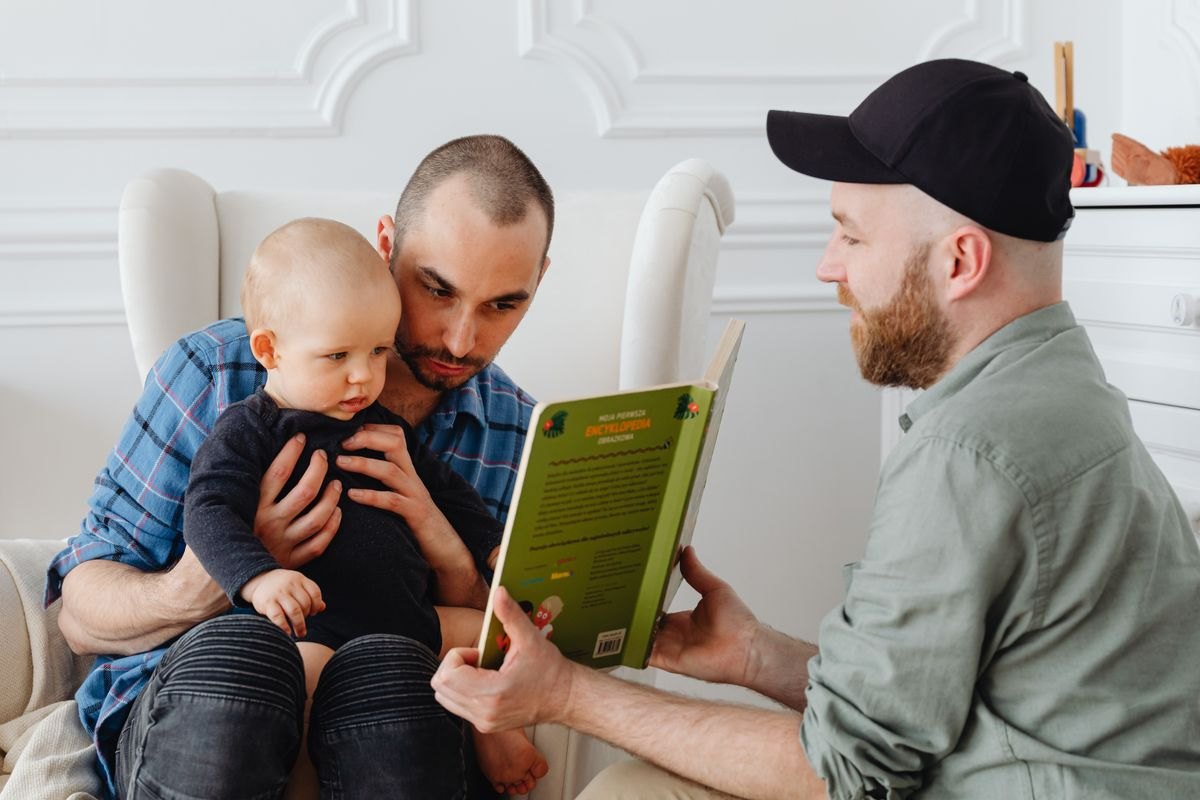
A non-birthing parent may be learning how to support recovery, care for the baby and navigate unfamiliar services at the same time. Their questions deserve a place, but every question does not have to be directed to the person who has just given birth. Decide which questions can be answered through official information, which need a professional and which require a conversation together.
Bring your own question note
Before an appointment or class you are invited to attend, write down what you want to understand. Ask about the everyday role you will have: how to follow the care instructions, who to contact about a concern, or what information you should record. Keep the birthing person's questions and privacy central rather than turning their appointment into a discussion only about your uncertainty.
Ask permission before raising a personal matter about your partner in front of others. If you need a separate conversation about your own wellbeing or health, arrange appropriate support for yourself. Your partner can care about you without being responsible for answering everything.
Learn a complete routine
Choose tasks you can learn from beginning to end. That might mean managing the baby's clothing supply, preparing the appointment bag or keeping track of household deliveries. Ask for a demonstration when a care task requires one, then keep the instructions accessible rather than repeatedly asking your partner to supervise.
When something is unclear, distinguish an ordinary preference from a safety or health question. You can choose where to store clean laundry together. You should use the relevant professional guidance for care questions rather than guessing or relying on a video with an unknown source.
Discuss how you want to be included
Tell your partner which conversations you hope to join, and ask what support they want during them. They may want you to take notes or listen quietly. Inclusion does not mean speaking first or expecting access to every private conversation.
Afterwards, compare what you understood and confirm anything important that remains uncertain with the provider. Avoid using different recollections as evidence that one person was not listening; tiredness and unfamiliar language can make information difficult to retain.
Make room for the role to develop. You do not need to prove competence by never asking a question. A useful pattern is to notice what you need to learn, find an appropriate source and take responsibility for applying the agreed information in daily life.
Find support that does not require your partner to organize it
If you would like a class, peer conversation or professional appointment for your own questions, take responsibility for finding the appropriate route and checking its suitability. You can discuss timing with the household without asking your partner to search, register and remind you.
Keep advice from those conversations in context. A story from another parent can help you feel less alone, but it is not a clinical instruction for your baby or partner. Bring health questions to the relevant provider, and ask your partner whether they want to hear a suggestion before introducing it as something the household should do.
You can also maintain relationships unrelated to parenting, within the time and responsibilities you have agreed. The aim is not to disappear from household work, but to have more than one place to think aloud so every uncertainty does not become your partner's immediate task.