Decide what belongs on the calendar
Appointments and agreed help visits belong on a shared calendar because another person may need to act on them. Every idea or possible purchase does not. Keep the calendar focused on commitments that affect time, transport or household coverage, and use a separate list for tasks without a date.
For each entry, include the location, the person responsible and the next action if one is still needed. 'Prenatal appointment, Tuesday' is less useful than 'Appointment at clinic; Morgan driving; confirm pickup with school.' Avoid putting private clinical details in an event shared with a wider group.
Mark tentative arrangements clearly. A helper saying they will 'probably' come on Friday is not the same as a confirmed visit. Use a label such as 'awaiting confirmation', then update or remove it after speaking with them. This prevents a household planning its day around an unaccepted offer.
Agree who changes an entry
Choose a simple rule: the person who owns the appointment updates its time, and the person coordinating helpers updates their visits. If everyone edits everything, an event may disappear without anyone knowing why. Use a message for an important change rather than assuming the calendar notification will be seen.
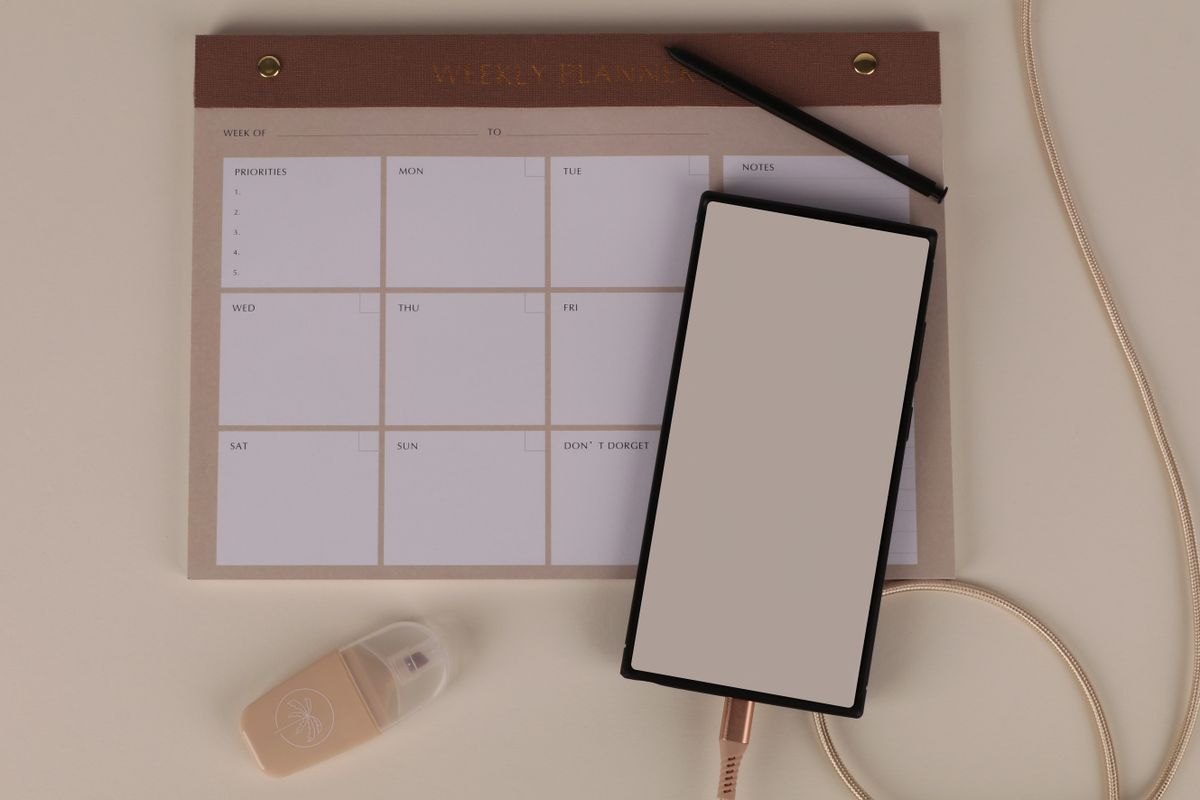
If one person prefers paper, keep a visible weekly version instead of requiring them to use an unfamiliar app. Decide who transfers changes to it. The useful system is the one the household checks, not the one with the most features.
Build in travel and handover time. A helper who leaves at noon and an appointment beginning at noon may create a gap even if the calendar appears full. Describe whether a visit includes travel, child care or only an hour inside the home.
Once a week, look at the next few days together. Confirm unanswered entries, remove cancelled commitments and notice periods with no support. This review should be brief enough to keep doing. It is not an invitation to fill every blank space.
Keep the calendar flexible after birth. An empty afternoon can be useful, and a visit can be shortened or moved. When circumstances change, communicate the new plan directly to the people affected, then update the record so the household has one current version.