The household does not need a detailed inventory of every cupboard. It needs a way to avoid discovering that an essential item is gone when the person who usually buys it is asleep or feeding the baby. Begin with the small group of things you repeatedly use: diapers, wipes, laundry products, toilet paper and the foods that make quick meals possible.
Pick one list. A note on the refrigerator, a shared phone note or a paper pad can all work if everyone knows where it is. Several competing lists make it easier to buy the same item twice while missing something else.
Define when an item joins the list
Choose a visible cue such as opening the last spare package. The person who reaches that point adds the item immediately rather than trying to remember to mention it later. Write the size, type or brand when it matters; "diapers" is not enough if the person shopping does not know which size is currently used.
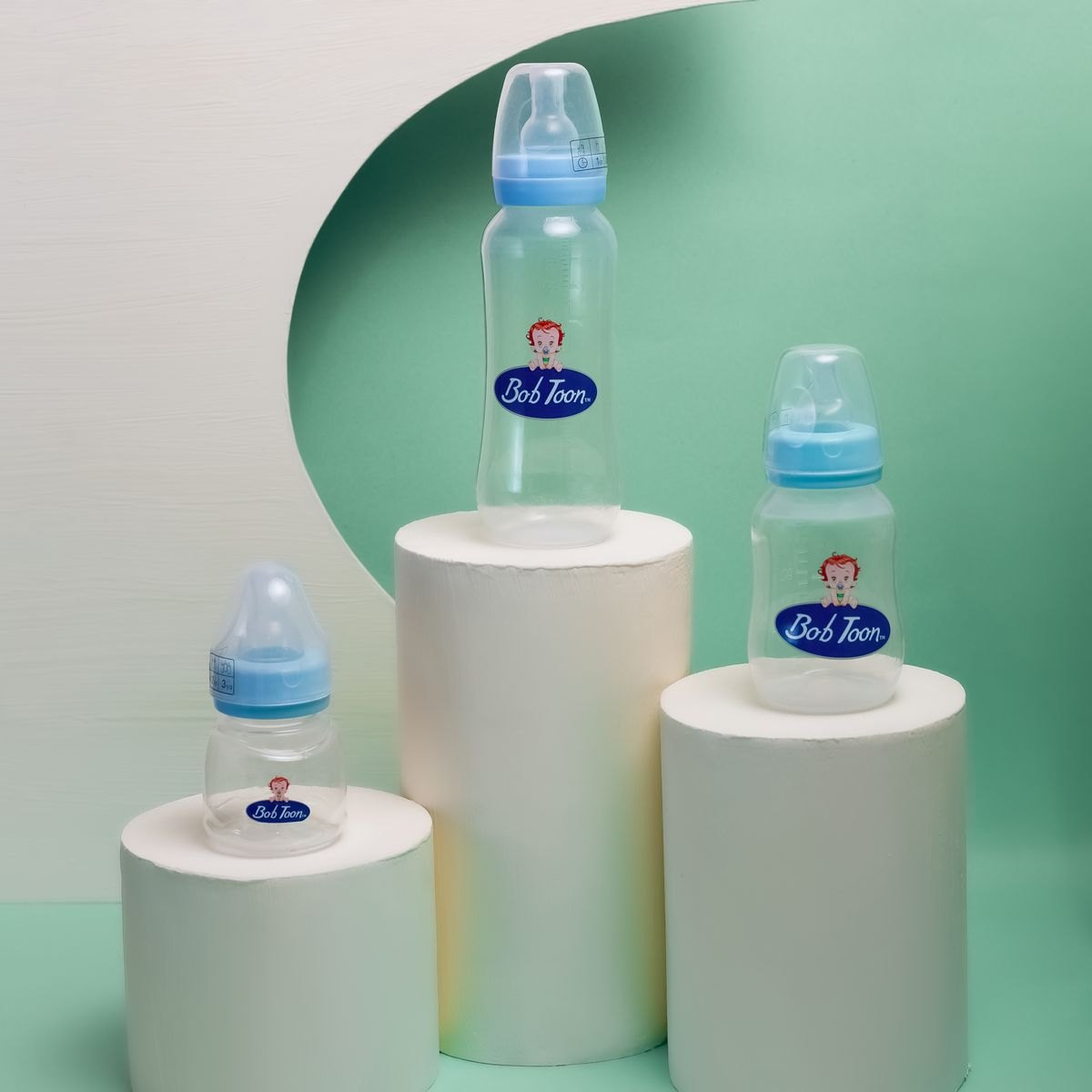
For products connected to feeding or medical care, preserve the exact product details and follow your care plan. Ask the relevant professional before making a change that needs their advice. An automatic substitution setting should not decide a clinical question for the household.
Name the person who will review the list and arrange the purchase. They can check the existing cupboard before ordering and ask about uncertain items in one conversation. If several people shop independently, agree how they will mark something as already purchased.
Keep the reserve manageable
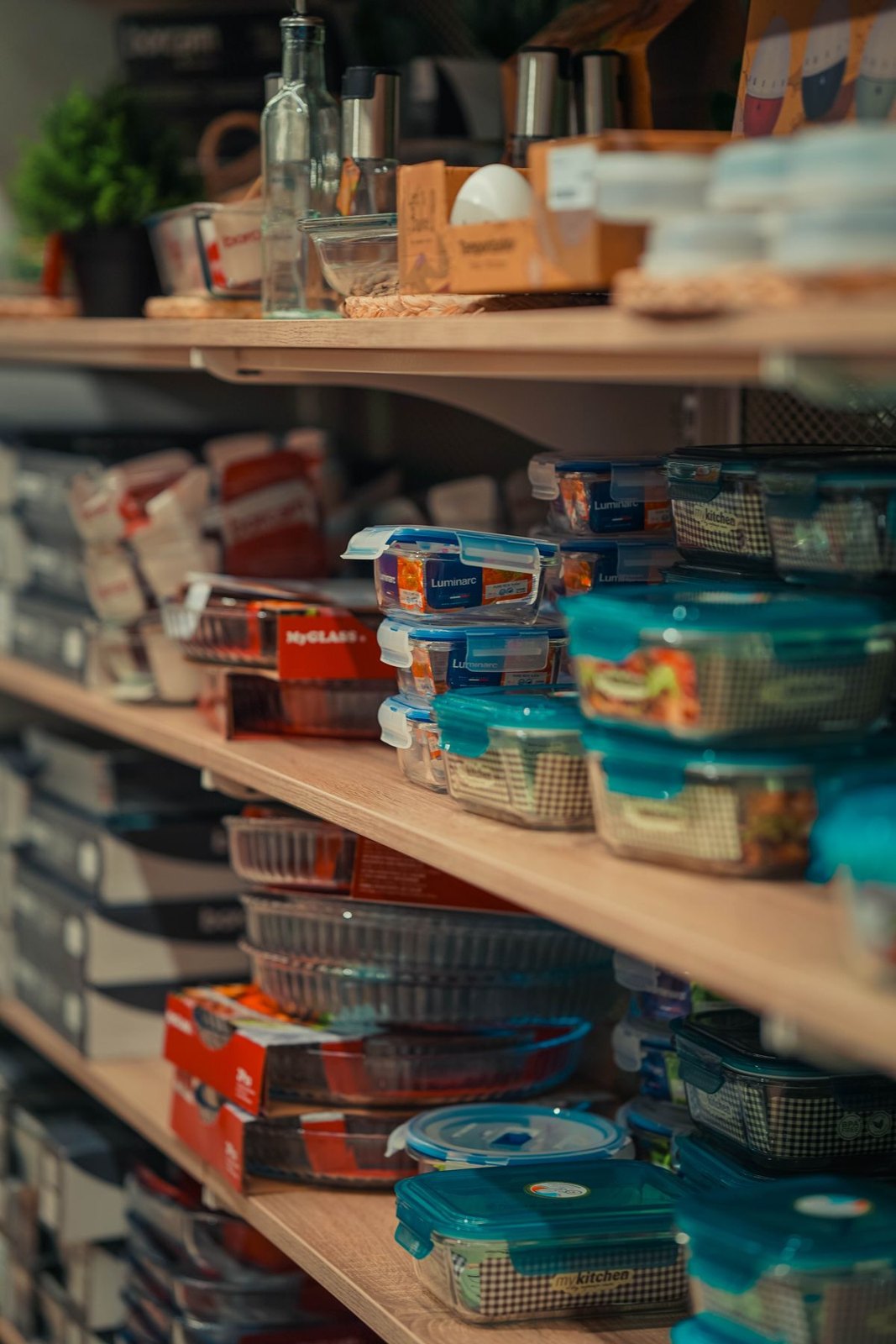
Extra supplies take up space and may stop being useful as the baby grows or the routine changes. A small reserve is easier to see and rotate than bags hidden in several rooms. Store items according to their labels and keep cleaning products and medicines secure from children.
If someone brings an unexpected large gift of supplies, check where it can go and whether it is the right product before opening everything. Keep receipts where possible. Do not let gratitude require you to keep using something unsuitable.
Review the list after a week. Remove items no longer used and add the thing that repeatedly ran out. The best system is the one the household can maintain during an ordinary busy day, without a second system for remembering to update it.